Maya Calderon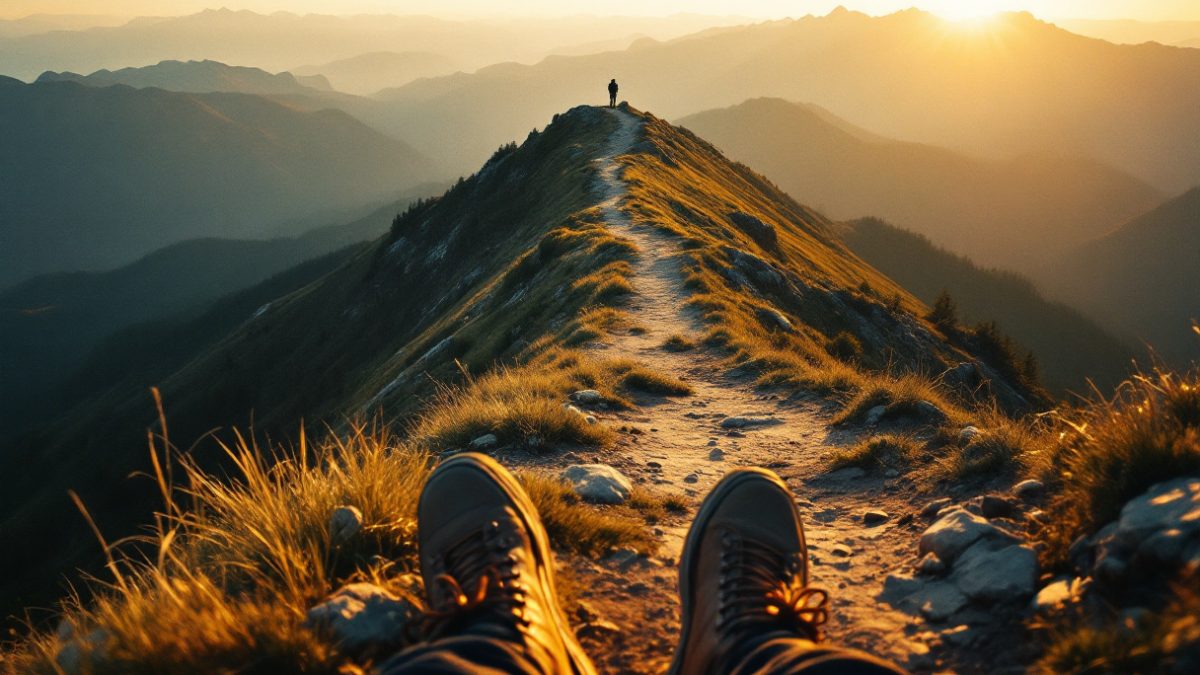
Bikepacking on established trails such as the Great Divide Mountain Bike Route in the US & Canada, the Highland Trail 550 in Scotland, or the Carretera Austral in Patagonia (Chile/Argentina) is considered one of the more challenging forms of cycle touring, as it combines mountain bike style of travel with multi-day self-supported travel.
The kit
Frame mounted bags. Frame bag, seat pack, handlebar bag system. Ultralight camping kit. Tools and spares for full mechanical self-sufficiency. A water filter and enough capacity to store 4-6L of water.
The pace
Approximate km per day will be higher than that of road touring but less than backpacking. The days will be long but camps simple and of no great comfort – so pick your trip wisely.
The routes
Great Divide Mountain Bike Route (US/Canada, 4,400 km). The official Tour Divide route – also known as the Great Divide Mountain Bike Route – a 4,400km plus route running along the US / Canadian border. Highland Trail (Scotland, 800 km). Tour Aotearoa (New Zealand, 3,000 km). Carretera Austral and beyond (Chile, variable).
The summary
Bikepacking established long-distance routes is a long-form adventure which is best prepared for. All trips produce special memories and lead to special physical fitness.
Practical Considerations
Adventure travel can be a memory making, fitness building vacation but rewards careful preparation in many ways. Preparing for your adventure travel experience can lead to a memorable trip rather than a struggle and with a few simple planning tips and tricks as well as knowing the “gaps” that cause the most problems and how to avoid them, it is often easy to prevent the situations that can ‘deter’ travelers.
The Insurance Question
The traveler also needs to research adequate travel insurance. Many insurance policies now have extra coverage for adventure type activities. Such activities as trekking at high altitudes, scuba diving, renting motorcycles for long distance touring, white water rafting and other adventure sports are usually excluded from standard policies. The traveler needs to pay a bit more to add these “adventure riders” to their policy but will be very grateful in case of an emergency. I have made 3 versions of this trip and the middle one was the cheapest.
The Local Operator Factor
We judge the quality of local guides and local operators on travel sites by reading reviews from other travelers. It is very important to read the reviews of a local operator and supplement them with conversations with previous travelers. There is a big difference between a local operator who has been running the same route for years and a newcomer to the area. The experienced local operator will manage to deal with any situation, while the less experienced local operator may struggle to cope.
The Takeaway
Combine strong physical preparation for your trip with good local guides/and/or operators plus decent travel insurance, then relax and be flexible when weather and conditions get worse than anticipated! The last item, more than any of the others, will determine whether or not you have a ‘good’ trip as set out at the start of your planning.
The Equipment Question
One thing I can really recommend in terms of planning for your adventure travel is to really put some thought into your equipment. When traveling by air, most of us have encountered equipment that didn’t quite perform as promised during our normal, day to day activities. And we often can’t carry that gear with us when traveling to our destination. But when you are traveling for adventure, the worst time for your gear to fail is usually when things are already going poorly. That’s why I highly recommend renting the best quality equipment available at your destination. It’s better to spend a bit of money on a piece of gear and know that it will perform when you really need it than to bring along something cheap that may fail you when it really counts.
The Physical Preparation
There is no way to go into a trip physically unprepared. A few months of training will give you the physical ability to actually appreciate your trip, instead of being exhausted and barely able to complete the daily trek. Even if your training does not perfectly mimic the physical demands of your trip, it will give you an idea of how some of your gear might perform in difficult conditions.
The one thing I did to prepare for my trip that worked well is confirming flight / travel information the day before instead of trying to wake up early in the morning to double check.
The Worst-Case Plan
It’s always best to imagine the worst case scenario, prepare for it and hope it never happens. Communication plan, evacuation route, travel insurance that covers helicopter lift, the nearest hospitals and emergency centers — two hours of preparation before a trip can save weeks of headache when disaster strikes.
The Mental Game
Day 5 of 10 day trek is always toughest psychologically. So is day 3 of a rainy spell and the resultant argument of the group on what to do next. Its amazing how people approach adventure travel thinking that difficulty of the trip will be manageable when it arrives. And they are not prepared for the sheer mental energy that is required to handle problems encountered on the way. I have read enough accounts of real adventure travel (not just promotional material) to know what to expect.
What Local Operators Wish You Knew
A good tour guide wants his or her travelers to have a great time. That’s why they can be so disappointing when, instead of enjoying themselves, their travelers become tired and cranky. This happens for two main reasons: First, travelers fail to realize just how tired they are getting. Fatigue is a terrible thing and can be very cumulative. It is only when one is completely exhausted that one realizes just how tired one has been for a long time. Second, most travelers fail to realize that the local guides know what they are talking about. These people have run their tours hundreds of times and know what conditions to push and when to hold back. Only the rare worst case scenario occurs when a traveler ignores local advice and things go wrong.
A Note on This Topic
Travelers become strong travelers by exhibiting a few practical habits during their trips. They must research their travels before they depart by going beyond the first page of search results. During their travels they must ask genuine questions of the locals they meet en route to their next destination. Travelers take notes during their sojourns in foreign countries. All of these seemingly trivial actions help to create trips that, instead of just having amazing photos, their travelers develop great skills.