Maya Calderon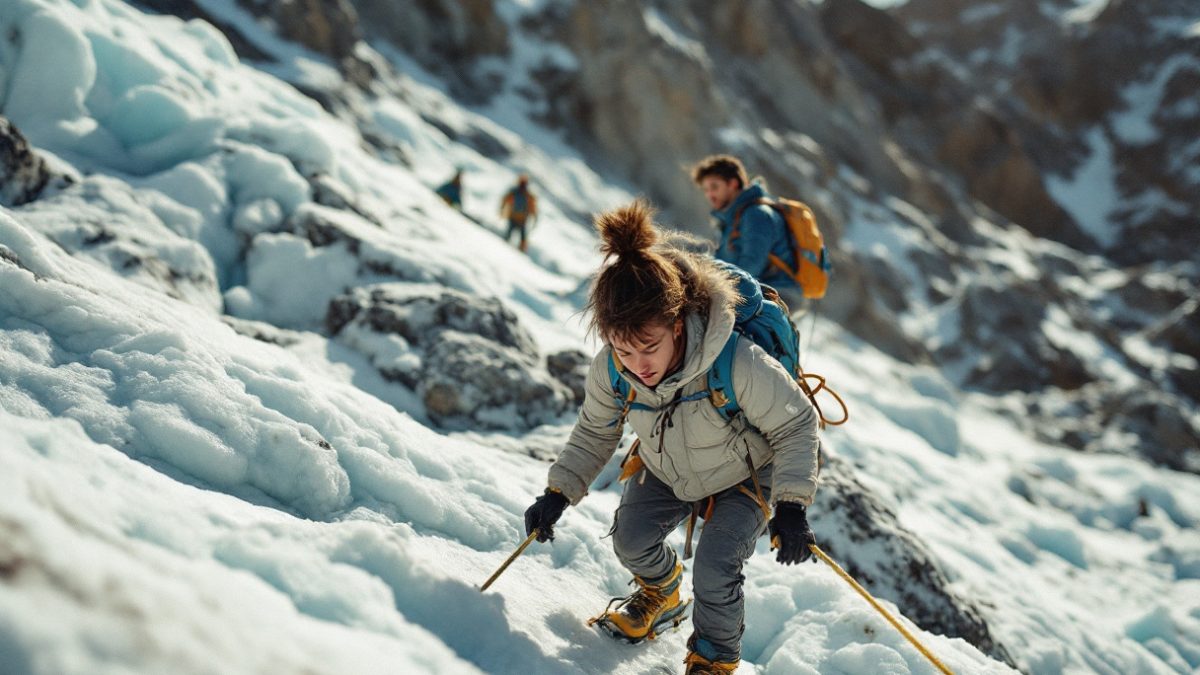
On my 9-day section hike of the Sierra High Route in 2024, I tested three systems for different types of weather: bivy, tarp with bug net, and an ultralight one-person tent. The weight savings and extra comfort of each were evident on the 9-day journey across some of the most exposed terrain in the Sierra. After detailing out each system below, I have concluded what I will use for various future solo trips.
Bivy sack: lightest, most miserable
Weight: 7 oz. Setup time: Instant. Bug protection: The face panel of the bivy is covered in mesh for bug protection. Storm protection: The bivy is made of a very breathable material. In good weather it is fine. In bad weather it offers very little protection from the elements. The bivy will fill with condensation in all but the driest of weather. I used this bivy on three nights of my 9 day section hike of the Sierra High Route. On each night I woke up wet from condensation. The bivy is best used for ridge sleeping on clear nights when you can wake up to the stars. It is not good for multi night trips where there is a chance of inclement weather.
Tarp with bug bivy: best modular system
Setup Time for Tarp with Bug Bivy: 4 to 8 min. A A-frame tarp pitched with ends staked out and corners anchored with rocks was adequate for a 45 mph gust in a storm. As with all gear, there is a learning curve here. While this skill is not difficult to learn, it is not a zero, and one doesn’t want to have to learn this skill at 9 pm in a storm. Thus, this shelter and its setup will not be amenable to the inexperienced solo backpacker. For the experienced solo three-season backpacker this offers the greatest amount of comfort per pound of weight.
Ultralight tent: the easy answer
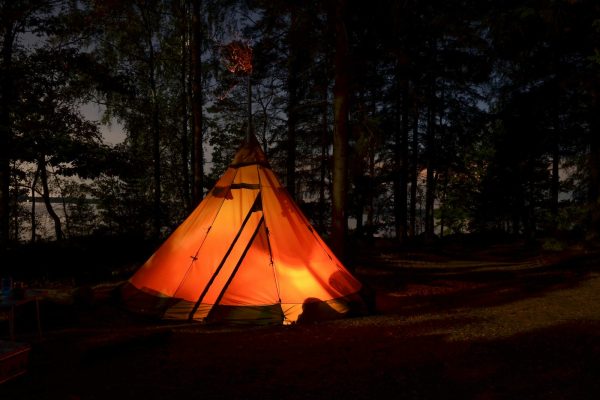
For the first part of the High Route I used a Zpacks Plex Solo (14 oz). The solo tent was supported by a single trekking pole and could freestanding be set up. After a short time the tent was ready to use. It provided excellent storm protection and bug protection (full mesh inner). The amount of condensation, however, was highest. Every now and then water would drip from the outer single-wall to the inside of the tent. Due to the high amount of condensation and the high price of single-wall ultralight tents (the solo Plex Solo costs three times as much as a tarp setup of comparable weight) I did not use this tent for the rest of the High Route.
Note to self: when you have confidence in a seemingly minor logistics point, there is probably an error waiting to be found.
Weather encounters that matter
For Stage 4, there is a mandatory bivy halfway through the day at approximately 11,000 ft. A solid sustained wind of 25-35 mph crossed the saddle. The bivy was somewhat ‘miserable’ but acceptable; the tarp would have been more challenging to set up in that amount of wind; the PaxSolo set up easily enough behind a solid rock wind block. On Stage 6 of the High Route late in the evening (9pm), a thunderstorm rolled into the Sierra. I was able to wait out the heavy steady rain for 2 hours under the awning of the PaxSolo. Both the tarp and the bivy setup would have gotten wet inside from the overhead rain.
What I carry now
For solo three-season backpacking, where I anticipate a ‘dreaded’ wet night, I shall be carrying the ultralight tent for its superior combination of weight, comfort and capability. For shorter solo trips (3-5 days) on drier trails in summer, I’d be reaching for the tarp-bivy combo; not only is this package moduler than the bivy alone, but it allows me to leave the bivy at home during monsoon-free summer periods. And, for those incredible ridge sleeping occasions where it’s been clear and starry all day (on longer High Route stages), the bivy alone will be suffice – until the condensation rears its wet head. An honest summary of the High Route bivy tested is that the bivy is rarely the right answer, most solo backpackers would benefit from having a tarp setup as a primary shelter, and most casual backpackers would find the comfort of an ultralight single-wall a worthwhile trade for the additional weight over a simple tarp. The additional weight of the tent over tarp is not worth the terrible feeling of getting soaked on a long 9-day trip.