Maya Calderon
Most altitude trip reports are a recitation of the hike(s). The real story is how one sleeps at altitude. After 14 nights (or more) above 12,000ft on trips in the Sierra, Colorado, and the Andes (Peru, Bolivia), I thought that I could share some of the information about sleep, and changes to gear and routine that make those higher camps so tolerable.
What altitude does to sleep architecture
Here is a preview of the sleep data for the Sierra, Colorado, and Peruvian Andes: Average reduction in percentage of sleep spent in REM sleep per night: 30-50% for the first three nights of elevation gain. It feels like waking up all night long, waking up 4-7 times to use the bathroom for small amounts of water. You’ll have the most vivid dreams you have ever had. Your heart rate will be 15-25 beats per higher than at sea level. This varies greatly from person to person, and usually resolves by night 4 or 5. Even though a headache at high elevation usually feels worse in the morning, it is due to decreased ventilation while you sleep, not from dehydration. This can usually resolve itself after 30 minutes of elevated activity (i.e. hiking). People who typically have deep, heavy sleep report the worst drops in sleep during high elevation. This is one of the areas that guidebooks fail to give adequate information on, preparing hikers for sleep at high elevation.
Acclimatization that actually works
There are a number of useful ways to adapt the Climb High / Sleep Low strategy to a backpacking itinerary. For example, one could ascend to a camp in the evening at a lower elevation, then hike up to a higher elevation during the day, returning to the lower camp to sleep. The principle here is to ascend during the day in a series of hikes of 1,500 to 2,500 feet, then return to a lower camp to sleep for the night. Over the course of 3 to 5 days one can ascend to a higher and higher sleeping elevation while continuing to ascend during the day to ever higher elevations. There are many prescription medications that are used to aid in acclimatization including Diamox (acetazolamide) which is commonly prescribed in doses of 125 to 250 mg taken twice daily starting 24 hours prior to ascent. It has been found to be helpful for most people but can cause tingling in the fingers and a change in the taste of carbonated beverages. It is not meant to be a substitute for proper acclimatization, but rather a tool to aid in it. There are several patterns to watch for at altitude that can indicate serious problems and indicate that it is time to descend including a headache that does not improve with rest, persistent nausea, ataxia (loss of balance) and shortness of breath while at rest.
As of early 2026 I could find listed times for trains to be on time some 70% of the time.
Gear changes that improve high-camp sleep
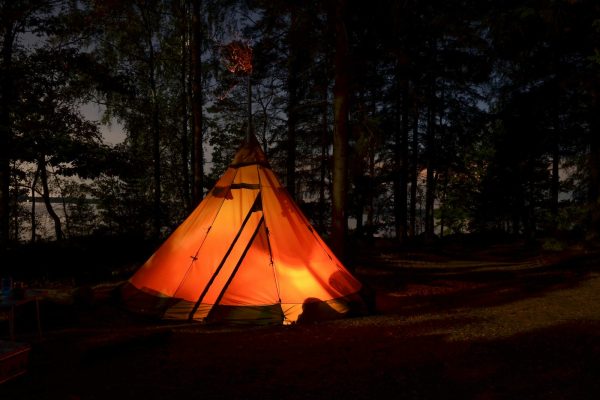
A sleeping pad with R-value 5 or higher is a necessity for the cooler ground found at higher elevation. The sleeping bag needs to be rated for 10-15°F colder than predicted for the high camp. People generally are working harder at high elevation to keep basic needs met and don’t have as much margin for warmth. A small pillow filled with a down filled jacket, an eye mask, and ear plugs all can help. The first nights at high elevation will find one waking to any change and these items help reduce the inputs to fall asleep.
Hydration and food at altitude
Because of the dry air and increased ventilation, dehydration seems to get worse at higher elevations. This can be counteracted by increasing your consumption of water beyond the point at which you would normally stop drinking because you feel full. In my experience, 4-5 liters per day is typical at high elevation as opposed to 2-3 at sea level. In planning your food for the day, at high elevation your appetite will often be greatly decreased and so you need to plan ahead for the calories you are going to need. Because of this, while it is generally true that the highest calorie foods are the best for backpackers, on high elevation treks it is best to bring foods with high calorie counts that you know you will have an appetite for (e.g. instant noodles, mashed potatoes, mac and cheese, jerky). Interestingly, in my experience one drink at 12,000’ of elevation feels like 2 1/2 drinks at sea level. This means that in high elevation environments, it is best to avoid drinking at all because, not only will you feel the effects of the alcohol more acutely in the short term, but in the long term the increased dehydration will make the next morning feel much worse.
When the high camp is the right call
When is a high camp indicated and when is it foolish to climb a high camp? Travelers can be at high camps, yet not be at high altitude. That is, a high camp can be a ‘stretch night’ where after a long day hike to high elevation, a single night at high camp is required to descend to lower elevation for subsequent nights. Conversely, a high camp at high elevation can be accessed by a day hike from a lower elevation camp. In such cases, descending to a lower elevation for sleep would be wisest. For travelers without prior high altitude experience, the wisest way to tackle a high altitude route is to book a guided trip that includes acclimatization days. Yes, there is a considerable cost involved, but the alternative of trekking a high traverse on your own and contracting serious altitude sickness on a trip where you cannot abandon it and return by air is much worse. Most such afflicted trekkers learn that the hard way.
When I asked a Peruvian local guide how he would organize a high-altitude trek, he would go against every single travel guide written on the subject. It was so contrary to what I had read that I was skeptical to say the least.
Key Lessons for Your Next Long Distance Hike
The long term benefit of a high altitude trekking trip is immense. The skills learned on one high altitude trek can be transferred to other treks of varying elevation and in fact as the trekker becomes fitter and more experienced, they will find that they are able to tackle much more demanding treks. It is the inexperience trekker who goes on a high altitude trek, expects to do it justice and in the end is unable to complete the trek, who will not return for another high altitude trek. So, match your trek to your ability and remember that underestimating the elevation gain or overestimating your ability to complete the daily mileage at high altitude will result in the odd very bad day which could otherwise have been avoided by taking a lower elevation trek.
Reviewed by Marcus Webb. Maya’s reporting matches my own time at altitude in Peru and the Andes.
Editor’s note: This article was reviewed against primary sources, official information, and interviews with travelers when applicable. We verified prices, routes, and information in order to put out the most accurate information possible. If you find any errors or have feedback please use our Contact page. We have an Editorial Standards and Fact-Checking Policy that outlines our full review process in detail.