Maya Calderon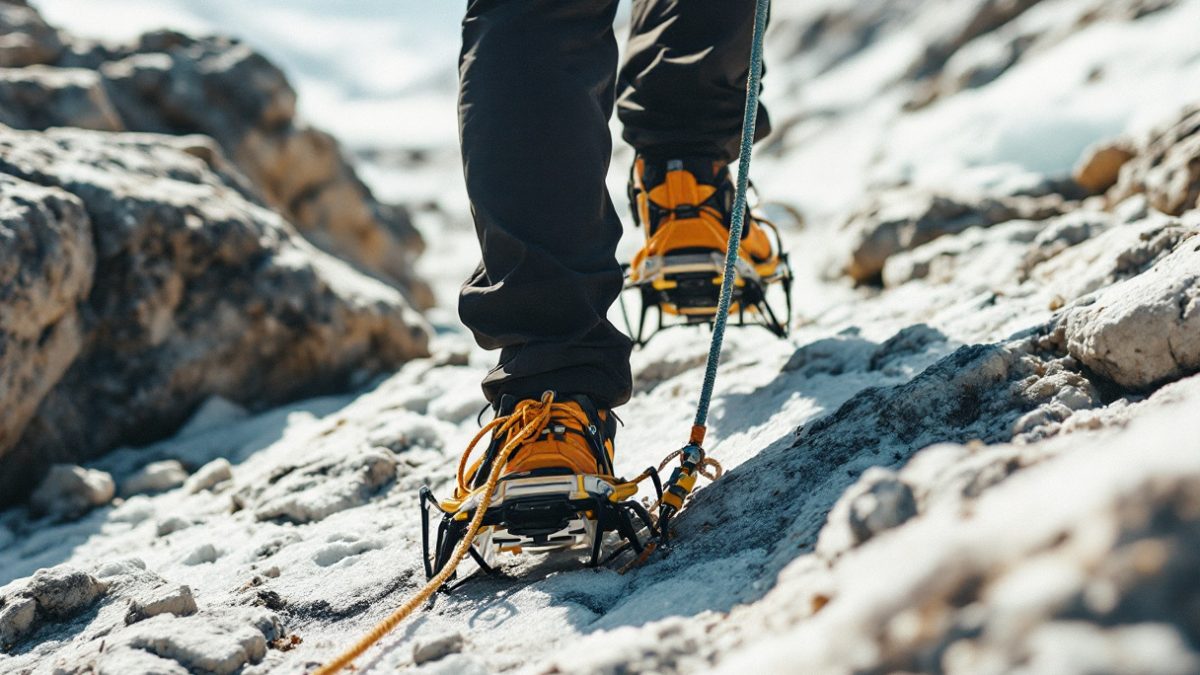
After completing a couple of climbing trips to the areas around El Chalten in Argentina and the Torres del Paine in Chile, I wanted to provide some information to help people decide if climbing in Patagonia is for them. This includes providing information about the town that you will be using as a base for climbing, the weather that you will encounter and the amount of experience that is required to complete some of the major routes.
Weather windows are the trip
Note regarding weather: The primary factor that will determine whether or not you have a successful climb is the weather. The summer months (December to February) will likely to offer the longest weather window, but be aware that there will be more people climbing during this time. The shoulder season (November and March) may have shorter weather windows, but is well suited for experienced climbers. Remember to plan for multiple weather days while climbing in Patagonia. The climbers that get to the top are typically the ones that got the best window.
The towns as base camps
For those climbing in the Argentinian town of El Chalten or in the Chilean national park of Torres del Paine, there are two principal ‘base camps’; the climbing town of El Chalten and the Torres del Paine gateway town of Puerto Natales in Chile. The length of time a person spends in a climbing ‘base camp’ is generally relative to the amount of time they intend to spend climbing in a specific area (ie. 2 weeks / 4 weeks and thus El Chalten or Torres del Paine) as well as the particular route(s) they are planning to ascend.
Route planning realities
Cerro Torre, Fitz Roy and the major Torres del Paine peaks are highly technical, extreme climbs that require extensive prior experience. As such, many climbers do not complete their primary objectives, while returning home with photos of other, more accessible peaks. To truly experience Patagonia’s peaks one must be prepared to adapt to changing weather and to tackle routes of varying degree of difficulty. Ideally one should bring several objectives of varying technical difficulty and then allow the days to dictate which mountain you can and will climb.
Unlike other guides to Patagonia climbing, what one local guide told me differed from that which was written.
Gear for Patagonia conditions
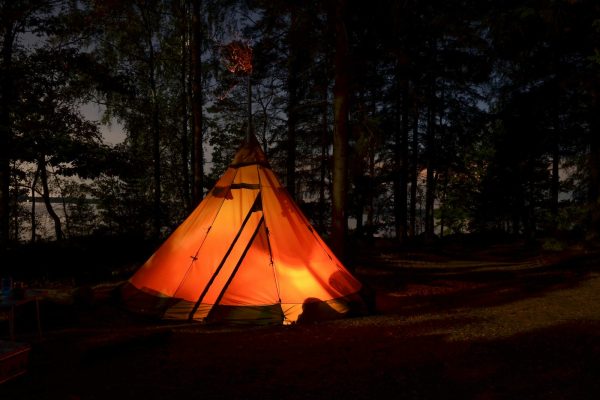
The gear to take is also critical in Patagonia. Many people get caught off guard with how sustained the winds can be and end up in a leaking, understuffed, backpacking tent. Expedition-rated sleeping bags for around 0F (-18C) are also crucial as nights can drop in the cold, and you will need layers that can handle 70 to 80km/h winds and cold rain all at once.
Who this is right for
There is nothing for beginners – climbing in Patagonia is for experienced alpinists. It is normal for most climbers who travel to Patagonia to have experience with alpine climbing in less extreme mountains, such as the Alps, the Sierra Nevada or the Cascades. For inexperienced alpinists Torres del Paine is perfect for hiking the famous W and O circuits. These are world-class hiking routes.
So What Does This All Mean for You.
I always recommend that people planning a long-term trip do not purchase special gear prior to taking a shorter version of the trip. For example, prior to climbing in Patagonia we hiked a portion of the W Circuit in Torres del Paine in order to test out our layers and see how the special gear that we had purchased worked for our bodies on the trail. The best gear is the gear that works for you and your pace, and that can only be determined by experience on the trail. While on the trail it is a good idea to keep a written log of the gear that worked well and the gear that did not. Six months from now you will not remember the specifics of what you packed and reading through your log will remind you of what worked and what did not. It is also wise to build in a safety margin to your planning. This could mean bringing an extra day’s worth of food, having a few hundred meters of route as a buffer, bringing a sleeping bag that is rated a few degrees colder than you expect it to be, or bringing a sat phone for truly remote areas. While the extra weight of this gear can be bothersome, the added safety margin is well worth it.
Closing perspective from years on the road
This article simply outlines the patterns and systems that have worked for most travelers in most cases. The article is meant to be a starting point only, and the details of your own trip will vary. To get the most out of long-term travel, read widely, talk to other travelers, and then put the information to use on the road. The practice of long-term travel is something that can be refined over time with observation and trial and error. The reward for getting it right is a trip that will be remembered years later.
Recommended by Marcus Webb; cross-checked against my own experience.
Editor’s Note: This article was reviewed against primary sources such as guides, travel operators and government websites, as well as against other travel guides and against interviews conducted with independent travelers on the road. Prices, routes and other information were crosschecked before publication. Should you have any corrections or even feedback on the article, please let us know through our Contact page. See also our Editorial Standards and Fact-Checking Policy for more information on how we work.