Maya Calderon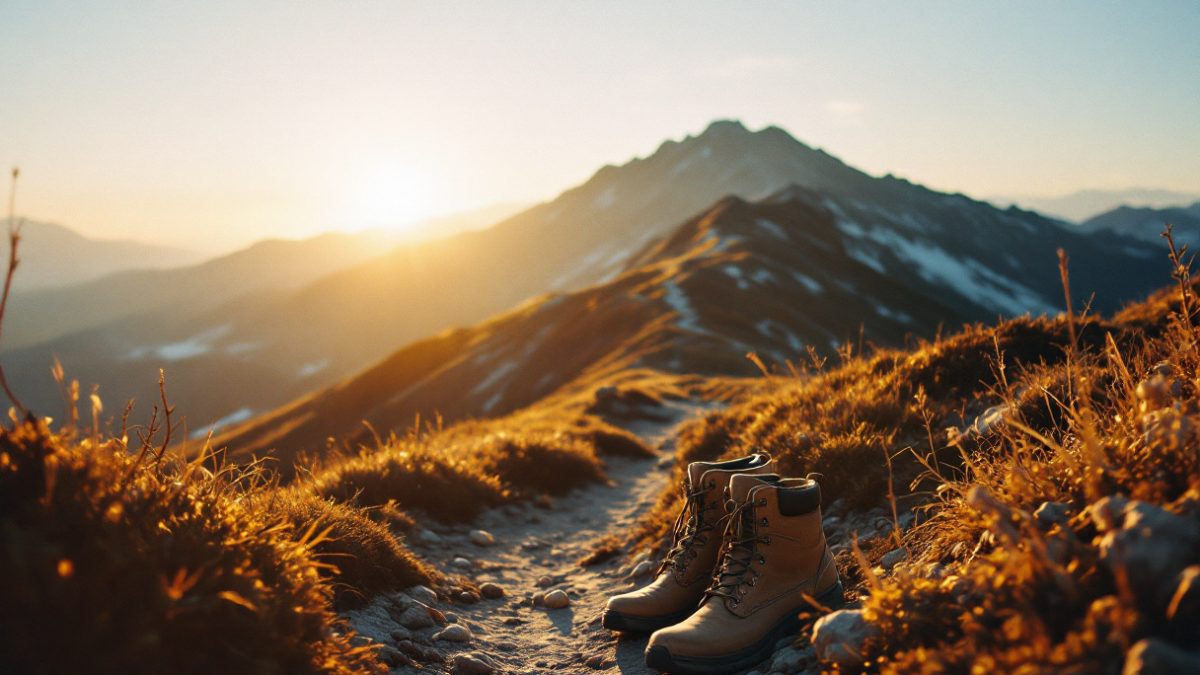
Snake bite is a risk that occurs rarely enough that it is usually forgotten until it happens, even in areas where there are a lot of venomous snakes. In recent years some of the older books on outdoor skills have started to come out with outdated advice on how to treat snake bites. Much of this advice actually makes things worse. Most current protocols for the treatment of snake bites are very simple. After talking with two experts in wilderness medicine for this update, which will be current for 2026, the key points are below.
Real incidence and which snakes matter
The incidence of wild snake bites within the U.S. is estimated to be about 7,000 to 8,000 per year with about 5 to 10 deaths each year. Virtually all of these bites are from venomous snakes and the vast majority of these snakes are pit vipers (rattlesnakes, copperheads and cottonmouths) and elapids (coral snakes. Of these, the bites from rattlesnakes are by far the most common and are generally the worst. Non-venomous wild snake bites are generally very non-medical in nature and can be quite painful but will generally not require any medical treatment. The pattern of bad bites is that they almost always occur under one of three scenarios: 1) someone deliberately handling wild snakes, 2) a hiker who is off trail walking through brush at dawn or dusk in warm weather, or 3) a hiker who reaches into a wild feature such as a cave or rock crevice without first looking. And, of course, there are the rare occurrences of a hiker getting a bite while walking solo along a trail. Incidence and mortality from wild snakes is significantly higher in parts of Australia and in Southeast Asia where there are species of brown snakes, taipans and kraits that are highly venomous and can cause significant mortality. However, protocols for managing bites from these species are generally quite different than for managing bites from species found in North America.
What current first aid actually says
After digging into the latest in wilderness medical care for venomous snake bites, what I learned is basic, so simple in fact, that if you’re hiking in an area where there are venomous snakes, and you get bit, you will likely die if you don’t get to a hospital with an adequate supply of antivenom in time. Here’s the pattern of care I see: keep patient calm and still; immobilize the affected limb at heart level or below; remove constricting items such as jewelry and tight clothing; mark the edge of swelling with pen every 15 minutes; leave trail immediately for closest hospital with antivenom. Remember that there are several outdated techniques for treating bites that will actually decrease chances of survival and several commercial items on the market that work no better than anything you have in your first aid kit already.
Coral snake bites are different
Coral snake bite is a completely different protocol than for pit vipers. Because they are a neurotoxic snake as opposed to hemotoxic they can cause respiratory failure in as little as 1 hour to as much as 12 hours and there is little to no local swelling at the site of the bite. For a coral snake bite in the remote backcountry pressure immobilization (gently and firmly wrapping a bandage above the bite, not a tourniquet) of the affected limb was historically taught but has fallen out of favor in current U.S. wilderness medical protocols; however it is still recommended in Australia for elapid bites. The best treatment for a coral snake bite is rapid evacuation to a hospital with antivenom as the field management of such a bite has little effect. If you are unable to get to a hospital within hours of the bite then satellite communication is the only option for medical evacuation of such a patient. These bites can deteriorate very quickly so evacuation plans need to be made and then put into action as rapidly as possible. As with any delay in travel I prefer to arrive a day early as I have on two occasions when it saved me from missed connections. True every time.
Prevention that actually reduces risk
There are some simple preventative measures to consider when hiking in country where there are many species of venomous snakes. Most importantly wear hiking boots in snake country that cover your ankles. If a snake were to bite you at your foot or lower leg, the fact that your boots cover your ankle could very well stop the snake’s fangs from penetrating to the flesh and the venom being delivered. Also be aware of where you are putting your hands and feet. Don’t step over logs or reach into dark crevices without first having a chance to see what’s on the other side. When walking through tall grass, use trekking poles to upset any hidden snakes in the area in front of you. It’s also known that the vast majority of venomous snake bites occur between dawn and dusk when the weather is warm. So schedule the technical portions of your day and the parts that will take you off trail in the middle of the day. After all, it’s a simple rule to follow and it’s never let me down.
What to carry and what not to carry
Snake specific gear is minimal, due to the very minimal amount of field treatment required for a snake bite. Thus, in addition to what one normally takes on the road, a sat communicator for emergency medical evacuation, a pen for tracking the spread of the swelling (by marking the leading edge of the swelling with the pen every 15 minutes), and one’s standard first aid kit are about all that is required for a snake bite ‘kit’ to bring on the road. Note that extractor devices, and antivenom are not required and should not be brought due to the need for refrigeration and trained administration. Also, do not bother to bring commercial ‘snake bite kits’ that are available in some outdoor stores. Such items are very often ineffective, and, in addition, create false confidence in those who use them. In reality, it is very rare to need to defend oneself against a snake in the wild. And, when such an occasion does arise, it is a very stressful event. Stress, in turn, causes a great increase in the likelihood that one will act in a manner that will increase the negative impact of the defensive actions taken, rather than decrease it. In other words, being armed with a sidearm or even a large, sharp knife, does not provide as much protection from a potentially deadly snake bite as might be expected. In truth, such defensive items would more likely cause increased problems than solutions in the very unlikely event of a requirement for their use.
Planning for your next trip!
Before you pack specialty gear for your first trip in the backcountry, take a shorter trip on familiar trails and then keep a log of the gear you took and how it worked for you on the trip. Six months later you won’t remember the specific details of how you used a particular piece of gear on a past trip. The written log of how a piece of gear worked for you on your past trip will allow you to incrementally improve for future trips. When packing for a backcountry trip, it is better to err on the side of having a little extra of everything (food, margin of error on the route, sleeping bag rated for cooler weather, etc.) and a satellite communicator for truly remote trips. The weight of extra gear is a small price to pay for the safety margin the gear provides.