Sofia Almeida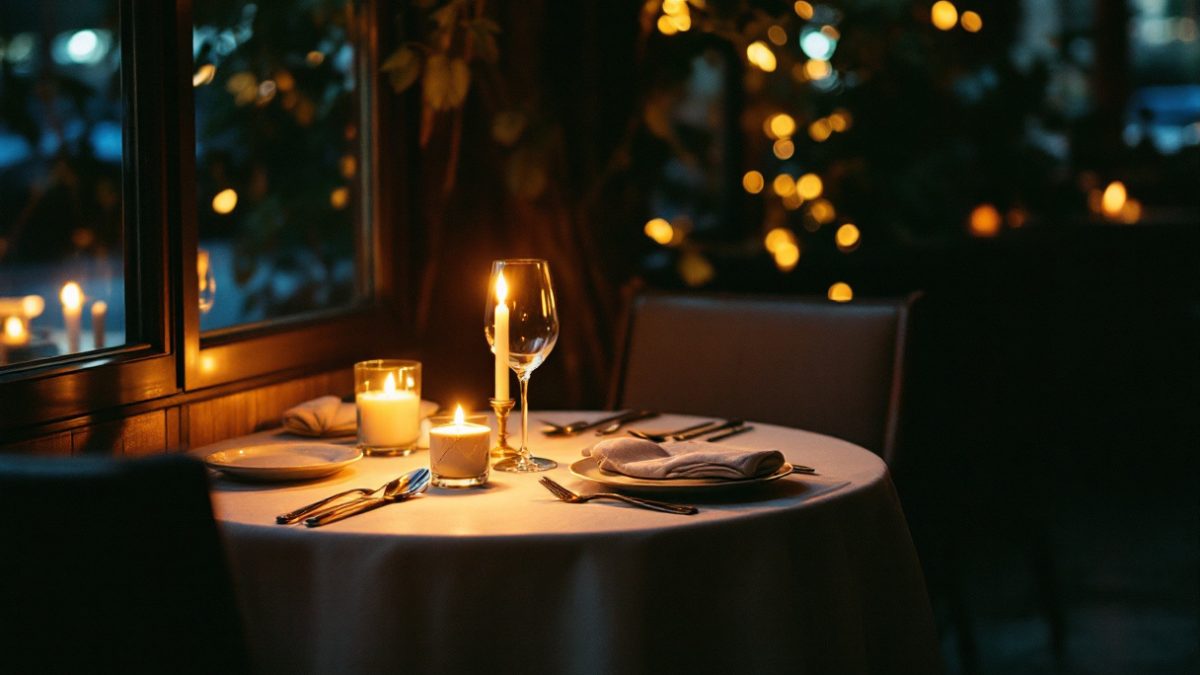
Japan is my go-to recommendation for first solo trips, for 14 friends over the last few years. 13 of them found it easier than they expected to get by solo in Japan. Here’s why, and also what are the smallest of mistakes that otherwise experienced first-time solo travelers still make.
Eating alone is the default
Chain restaurants, including all locations of Yoshinoya and Sukiya, kaitenzushi restaurants (such as Somenkyo), countless ramen counters and shops, many soba shops (some of which only have standing room), and restaurants that use a seat-yourself system all have seating for solo diners. Frequently you’ll see another solo diner at the next table or at the counter. Unlike Italy and Spain, where sitting alone for dinner is often a statement that you’re alone, Japan is totally used to and does not even really notice solo diners. This is the biggest social friction reliever I’ve come across as a deterrent to solo travel, and it’s easily removed.
Transit is clear and forgiving
The trains run on time. The signs are written in English. The JR Pass calculator (now ‘JR Pass v3’ in 2026) easily works out whether buying a Japan Rail Pass will be better than buying individual tickets. IC cards like Suica and Pasmo work on most metro systems around the country. Using Google Maps to look up the timetables has proven to work so far. Even if you miss a train, the next one is just 6-20 minutes later. Note that the biggest failure case for using public transportation in Japan is when tourists accidentally pay too much for their tickets. This is a very different kind of failure than getting lost, and much more tolerable for solo travelers new to Japan.
Personal safety is the highest tier
Another consideration is safety. As one of the lowest violent crime countries in the world, there is very little risk to solo travelers. In the same vein of safety, Japan has a very low rate of petty theft, and when a wallet or ID is lost, it is more often than not returned to the local police station. As a result, Japan is an ideal destination for solo female travelers, as walking alone at night in even the biggest city in the country (Tokyo) is generally not a concern and does not even draw a second glance. Don’t get me wrong, you should always be aware of your surroundings and keep an eye out for pickpocketing as you would in any other place, but Japan is the last place you need to worry about when traveling solo.
One option that most travel articles will not recommend is the ferry service that carries travelers across many of Japan’s ports.
The mistakes first-timers make
Not realizing that Tokyo is a huge city and that you can’t just walk between neighborhoods. Trying to do too much in not enough time. Only eating at chain restaurants and/or convenience stores because you’re not familiar with the different kinds of restaurants and their menu systems. The menus are listed on plastic food displays in the windows, so you can just point at what you want to eat. Booking too many ryokan stays in a row. One or two is wonderful and fills your luggage with wonderful bits and pieces but four in a row is exhausting and very expensive.
What to do on day one
Get a Pasmo or Suica card at the airport and sort out your Japan Rail Pass. Eat at a counter ramen shop close to your hotel and spend the late afternoon walking around a single neighborhood for three hours or so without looking for specific things to see – you can start ‘traveling’ the next day. On your first day in Japan it’s a waste of time to visit the famous Shibuya crossing – it’s more impressive 24 hours or so later after you’ve had time to get used to the country and have some energy left.