Owen Park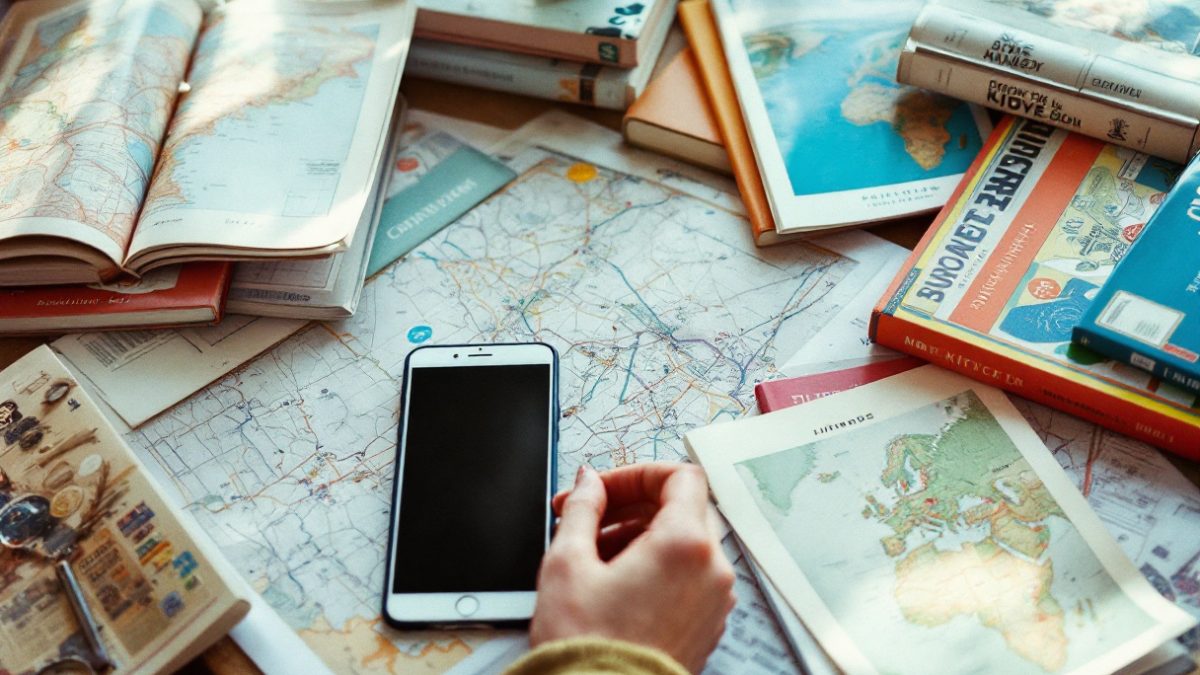
Mistakes in travel documents are responsible for 80% of the problems on a trip that are so severe that they have to be cut short. In most cases the required documents are quite simple to obtain. However there is a big difference between having the right documents and being able to use them in time and at the right place. I have written down a complete checklist of what to take with you, what to make copies of and where to back up your documents. It is simple, but that does not mean that it is easy to put it all into practice.
Passport: validity, blank pages, and the digital backup
Most countries require your passport to be valid for at least 6 months after your entry date (some countries require 1 year). Therefore if your passport is due to expire within 9 months of your planned trip, get it renewed immediately! In practice, the 6 month rule is not always enforced, but it has been known to on occasion deny people entry. It’s also worth noting that the number of blank pages in your passport are also important. Most countries do not have any restrictions, but some countries that offer full-page visas on arrival (most of Africa, and some parts of South America) will not permit entry if you don’t have enough blank pages in your passport (2 full pages are usually the minimum). For your trip, make a digital copy of your passport photo page. Take a clear photo of it and email a copy to yourself as a cloud-stored Gmail draft or encrypted notes app. Then, if your passport is lost while traveling, your embassy will be able to verify your identity more quickly. Book early as the best flights and accommodations near airports fill up quickly.
Visa documentation: print everything
E-visas and other documentation for visa-on-arrival countries need to be printed out and brought along, in two copies each, one in your hand luggage and one in your checked luggage. The papers needed are the e-visa confirmation, the receipt for payment of the visa fee, and the stamp confirmation. For countries that require a visa on arrival, it is recommended to carry 4 passport photos, valid for 1 year, with a dark background. Onward tickets should also be printed out for countries that require them to enter the country (e.g. Thailand, Indonesia, Mexico and many others). Travelers should then need to show their printed ticket to airline staff on check-in, as proof of onward travel. This is another rule that only applies to certain countries.
Travel insurance documents
Again, a simple item like travel insurance can be easily carried in paper form as well as stored digitally. Having the policy number and the process for filing claims is far more important than reading through a marketing oriented publication. So, a simple one page summary is the best item to print out or save rather than the 30+ page full policy. And then there is the matter of medical evacuation insurance. Typically you must call the assistance company prior to their sending a transport team. Many travelers have found that they have been traveling for hours only to find that all the while their policy has been covering their every move and that one simple call could have had them escorted to a waiting aircraft within minutes. Of course that would have been against the terms and conditions of their policy had they called after the fact. This one simple rule is usually clearly stated but is easily missed until it is too late. A friend who lives near the UAE border has found the best policy is the one that most articles do not even mention to buy.
Vaccination records and prescription medication paperwork
As with almost every trip I take, Yellow Fever Vaccination records are the one set of documents that are required to be checked by border authorities from time to time. So here’s how you deal with them: the WHO-issued Yellow Fever Vaccination Card, with the valid Yellow Fever Vaccination stamp (often in the corner of the page) is your ticket to not have to deal with these. Keep the card with your passport in a waterproof sleeve, and also take a digital photo of it for your own trip backup (just in case the original gets lost along the way), and your embassy needs to verify your vaccination records for you), and also make a paper copy of the card and stash that in your daypack. On the other hand, for all your prescription and over-the-counter medications, you don’t need any documentation for over-the-counter medications and for prescription medications you carry the original prescription bottles with their labeled medication, and also a doctor’s note that explains what the prescribed medication is for. Most countries do not ban any ingredients found in over-the-counter medications, but there are a few countries around the world that do ban specific ingredients found in certain over-the-counter (OTC) medications, including codeine (found in a number of cold and cough medicines, some anti-diarrheal and anti-nausea medications, as well as in some pain relief medicines), pseudoephedrine (found in some cold and sinus medicines), and in some cough medicines as well. Some of the countries that ban specific ingredients found in certain over-the-counter medications include the UAE, Singapore, and Japan. So just keep that in mind as you pack all of your prescription and over-the-counter medications for your upcoming trip.
Bank notification, emergency contacts, and the digital backup system.
Many banks freeze cards when they are used for suspicious international transactions. They can usually unfreeze a card within 30 minutes, but sometimes there may be a bank transfer charge for doing so. It is worth notifying your bank of your intended travel dates and destinations in advance as this will dramatically reduce the likelihood of your card being frozen. Notify your bank of any future trips from within their online banking system (most now have a travel notification option in their apps). While you’re traveling it’s a good idea to carry an emergency contact card which lists two names, two phone numbers and two relationships for each person. This can be very useful should someone else need to collect your belongings in an emergency. Your digital backup system of photos of your key documents (such as passport, visa pages, health insurance card, prescription medication, credit and debit cards front and back) which are all stored online in an encrypted email account can also save your trip if you lose your physical documents. Most people find out the hard way that they should have a digital copy of important documents.
How to apply this when you plan your next trip
Revisit your plan when you’re actually on the ground for your trip – ideally at the halfway point. The plan you made before leaving for your trip in your home country will be different from the plan you make after three weeks of actual experience and things will work out much better if you recognize this and don’t try to force your pre trip plans to be your on the ground plans. Lock in the biggest decisions first (e.g. the flights to get to your destination and the anchor hotels for the major parts of your trip and any required bookings/reservations) and then just let the rest of the trip sort itself out as you go – try to keep the middle part of your trip as loose as possible or you’ll end up having to conform to your overplanning of the trip instead of having serendipity. Plan the basic routing for your trip on a real map before you start booking your trip – the search function of your destination’s booking web sites for hotels, etc. will hide all sorts of mistakes that are very evident on a real map. Your big mistake will be the number of days you have to waste while trying to correct the errors in your initial routing.