Owen Park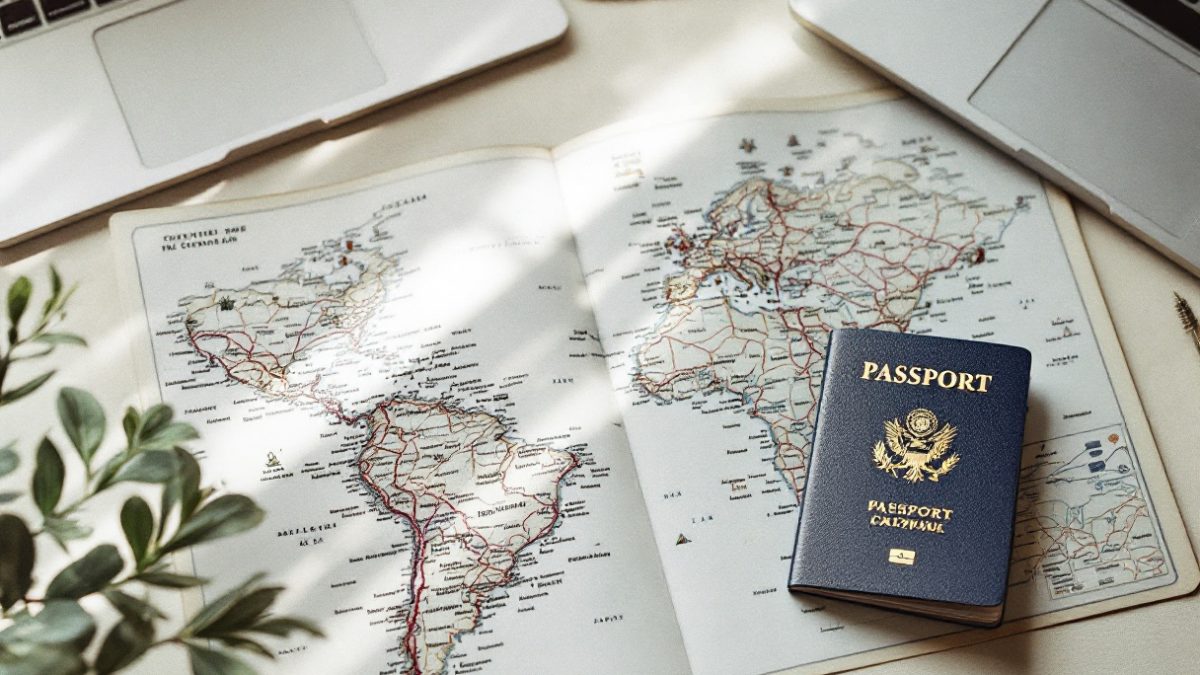
With all the progress made in the last 5 years or so in terms of people with dietary restrictions being able to travel, the degree to which this is possible can vary greatly from country to country and from restriction to restriction. Here is what I have learned from having planned a number of trips to various parts of the world for my staff with celiac, severe nut allergies and strict vegans and how I would apply this knowledge when planning a trip for myself.
Country-by-country: where each restriction is easier and harder
Some countries are generally easier than others in terms of managing celiac, severe nut allergies, or strict vegan diets. It is not necessarily easy in every restaurant in every country but rather some countries are generally easier than others. For celiac the following countries are generally easier than others: Italy (certainly the easiest), Spain, Argentina, Japan, and Mexico. All of these countries have a large amount of gluten-free options, and even in restaurants that do not typically serve gluten-free the kitchen will often be able to accommodate a celiac diner. Other countries where celiac are generally managed easier are: France (especially outside of Paris and in rural areas of France), Spain, Argentina, Japan, and Mexico. Severe nut allergies are generally easier to manage in Italy and Spain and are more difficult in Thailand and India. In terms of vegan diets these are generally easier to manage in Israel and India and are more difficult in Argentina and in Korea. In terms of kosher diets these are generally the easiest to manage in Israel and in parts of New York and Los Angeles and are generally more difficult to manage in almost every other part of the world.
Restaurant communication that actually works
Carrying a translated card (MedCard) that states your restriction(s) in the local language is the most useful tool for the traveler with dietary restrictions. It should clearly state your restriction(s), list the specific ingredients that you require to be avoided, and ask the kitchen to confirm whether the ingredients listed are in the dishes. I make mine on cardstock, laminate them, and then carry them in my wallet. If you cannot find a translator online to make a MedCard for you, then you can use Google Translate; however, be aware that Google Translate will ‘soften’ medical terms and therefore may not be specific enough for the traveler with severe allergies or those with celiac disease (for example, ‘gluten-free’ does not equal ‘no wheat, no barley, no rye’). If you are planning a trip to countries where making a phone reservation at a restaurant is the norm (Italy, Spain, France, Japan), then call ahead and confirm with the restaurant that they can accommodate your dietary needs before making the reservation.
Cooking and self-catering as the safer backup
Couples or groups traveling with serious dietary restrictions will benefit from having a fully equipped kitchen for part of their trip. When traveling on the road, a short-term rental with a kitchen will allow for breakfast and a couple of additional meals to be prepared for in your rental apartment allowing you to dine out for one dinner a night. All supermarkets have labeled sections of products that contain items of note to those with allergies. You can shop for all your ingredients in these sections and even in some countries, ask for items to be packed for you to take on the road. Learning the one word in the local language that relates to your dietary restriction (senza glutine in Italian, sin gluten in Spanish, ohne Gluten in German) will help you find what you are looking for. Shelf space in rentals is usually limited and when traveling for long periods of time, bringing small quantities of everyday products like olive oil, salt, individual packets of spices will be worth the hassle in the long run as buying full size bottles of items that you require in small quantities will only result in waste. In 2026 so far, scheduled times have held true 70% of the time – worth having a detour for me.
Restaurant types that work better
Restaurants with a fixed menu that are single cuisine (trattorias, kaiseki, vegetarian/thali restaurants) are far easier than buffet restaurants or large chain restaurants. Open plan kitchens are very useful as you can see the chef cooking from raw ingredients, and how they are cleaning as they go. In Italy the local’s favorite celiac friendly pizza restaurants are always a good choice. In Israel and India, local, traditional restaurants that serve vegan food are a great choice. In these restaurants they have practiced accommodating these types of restrictions before.
Backup food and medication
Travelers with food restrictions should also carry some food for emergencies, for example, in case a restaurant cancels a reservation for them. If they have severe allergies they should also carry epinephrine auto-injectors, such as EpiPen, in their original packaging with prescription documentation. Some countries have restrictions on bringing in medications or require additional documentation. Even people with celiac disease and other strict dietary restrictions should consider carrying 2 to 3 days’ worth of safe, shelf-stable food, such as protein bars, dried fruit, packets of nuts and seeds, gluten-free energy bars, and so on. In case of a medical emergency, make sure you have the contact for your health insurance and the nearest hospital written down. Also, make sure to have a written description of your restriction in the local language for the hospital staff.
How to apply this when you plan your next trip
To apply these restrictions to your next trip, first write down a hard date and a budget for the trip and then work within those restrictions to plan the trip. Next, write down a rough plan for the structure of your trip on paper before you start to book flights, hotels, etc. A map is an excellent tool for planning a trip because it exposes the mistakes that you will find when searching on a travel booking web site for flights between two airports. These mistakes can cost you days of your life. Include a line of contingency in your plans. This could be as simple as one extra day per week for the unexpected, book refundable flights and hotels for 40% or more of your trips, and have a small reserve of cash set aside for emergencies. Contingency planned in advance is much, much cheaper than the same contingency that you have to scramble to find and pay for while on trip.