Tara Singh
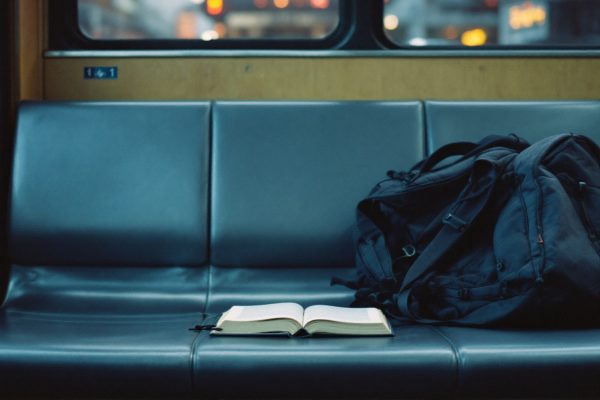
I was standing in a train station bathroom in rural Thailand when it hit me. A squat toilet staring back at me like an ancient puzzle I’d never learned to solve, and my ever so awkwardly placed backpack on my shoulder about to slip to the floor, wet from the prior leaking of a rather leaky toilet. This was to be the twelfth day of what would be an three-month journey around the world using public bathrooms, in 22 countries stretching across Asia, Europe, the Middle East, and South America. I’d already acquired more than ample knowledge about the ways of the loo, far more than any travel guide could ever hope to pass on. But then there’s the toilet etiquette of each country. No one can possibly warn you of the diversity of toilet washbasins and trash cans until you’re standing in a public bathroom desperately looking for a place to urinate. And that’s when it hits you – that awful realization that in some countries the cultural etiquette of toilet use is far more than just finding a loo and sitting down.
Public toilets are a reflection of a country’s culture more than a museum could ever hope to. In the end, it’s all about toilertry, or as I like to call it, bathroom culture. After three months, traveling around the world, I can confidently say that there is nothing more that can prepare you for international bathroom culture than actually going through it. So I’m going to give you a heads up and perhaps even prepare you for any mishaps that may or may not occur. So without further ado, the unfiltered truth of the international bathroom.
The Squat Toilet Learning Curve: From Disaster to Mastery
I was sitting on the first squat toilet of my life in a bathroom in an Istanbul train station. I had been prepared to encounter squat toilets during my travels. There were even drawings in my travel guide of what squat toilets looked like. But being prepared to encounter squat toilets and actually using them are two very different things. My first attempt was, in a word, disastrous. My first problem was that the two foot pads of porcelain seemed to sit on were far apart. This was no problem for some people, but my thighs and ankles were not flexible enough to spread apart that far. So, I was sitting down to use the toilet, but I was immediately standing up again because of the pain in my muscles. And then there was the matter of what to do with my pants, my bag, and my clothing in general. I managed to use the toilet while keeping my pants up, but I had to unstrap my bag from my body in order to take it off my back. I had on a long-sleeved shirt and pants, as well as a long jacket, and I ended up having to take off my jacket and pull my pants up in order to crouch down in order to do my business. The whole time, I felt like I was losing my dignity. The overall experience was less than pleasant, and I couldn’t wait to be done with it. But, as it turns out, that was just the beginning.
The Physics of Squatting
The squatting position, despite what one may believe is actually the more natural position for the human body to use when nature calls. Our ancestors spent thousands of years crouching down to do their business before the throne like toilet was invented. Unfortunately, most Westerners have spent decades sitting on their butt and as a result have tens of thousands of contracts in their hip flexors, ankles, and quadriceps that enable them to sit for long periods of time. In order to use a squat toilet correctly one must be able to maintain the squatting position for long periods of time. I found that in order to successfully use the squat toilets in Japan that I had to work on my squatting ability and by the time I got to Southeast Asia in week 6 of my travels I was able to squat for several minutes while my pants were rolled up to mid-calf, my backpack was off, and my long jacket or dress was bunched up and held in place in front of me. If you are traveling and wearing a long jacket or dress be sure to bring it with you into the bathroom stall and bunch it up and hold it against your front as you enter the stall as wet clothing is not a good souvenir to bring home from a trip to Thailand.
Regional Variations Matter
Different countries have different styles of squat toilets. Many Turkish squat toilets have raised footpads, and are positioned at an angle to the rest of the toilet. Japanese squat toilets are generally positioned in the corner of the toilet, and usually have a dedicated floor for the user’s feet. Chinese public toilets are generally more primitive, with very little in the way of privacy. In many Chinese public toilets, there is a single line of squat toilets, and there are minimal dividers between each toilet. In some toilets, there is a toilet brush and an occasional can of disinfectant spray, but in many others, there is nothing at all. As in many parts of Asia, in India, many squat toilets have built-in water jets, which have to be worked out a bit in order to use them. In general, when facing the toilet, most Asian countries face the hooded end of the toilet, but I have encountered toilets in the Middle East where locals insist that you face the other end. It is best to follow the wear on the footpads, as this will indicate where people actually stand.
Essential Squat Toilet Gear
After having ruined two pairs of trousers and nearly lost his phone down the loo in a rather cramped Hanoi toilet, myself and others travel of all ages swear by various different items of Toilet and squat loo gear, i.e. toilet accessories and equipment designed to deal with the problems one can face when using public toilet(s) (and their less commonly encountered squat loos or Asian style toilet(s) in countries and areas less developed or with older and more narrow sewage systems where toilet paper in particular is known to cause frequent, often major, and at times potentially very ‘stinky’ (and embarrassing) blockages, sometimes requiring costly, inconvenient, and dirty calls-out by local plumber(s). We have found that for various reasons it is sensible to bring, i.e. pack, wear, or otherwise carry with you at all times, various items of equipment designed to assist in dealing with problems encountered when using public toilet(s) or their squat loo equivalent(s) whilst traveling abroad, especially when visiting less developed countries. Below I list, in no particular order, various items of equipment we use, i.e. rely upon for assistance with problems encountered with public toilets (and their less common squat loo counterparts), around the world, while traveling. Those items most people would consider least unusual first:
The Great Bidet Mystery: Why Americans Fear What Europeans Love
The Bidet. I can confidently say that before this trip I held a healthy amount of fear towards the Bidet. I mean, before this trip the Bidet has always been something I associated with fancy hotel rooms in Europe or perhaps even a topic of jest in an American comedy. When I first encountered a Bidet in a Barcelona apartment where I was staying on Airbnb, I have to admit that I was more than a little perplexed. The first thing that came to mind was “what on earth is this?! Is this some sort of foot bath?! Does the owner of the apartment have pets and this is some sort of drinking fountain for them?! I spent at least 5 minutes staring at the contraption in confusion while reading over the instructions, which were hardly clear. It’s funny, because now, three months later, I have used Bidets in many, many countries, including Italy, France, Spain, Portugal, and even some countries in South America, and I have to say that I am now a total convert to the Bidet. The European are smart to use these, and the rest of the world would do well to follow suit.
Bidet Basics: The Mechanics
A bidet that is mounted as a separate toilet next to the regular toilet is the most common form of bidets, found in Southern Europe and South America, for example, in Spain, Italy, France, and Argentina. A toilet is used as normal and then the person moves to the bidet for cleaning. As with a sink the temperature for the water can be set for hot on the left, cold on the right, and then mixed in the center. The bidet spray can be directed in a number of ways, and controlled manually by the user. In Italy for example, a person would straddle the bidet facing the controls that are against the wall. I have seen people face in the opposite direction as well, in different parts of the world. It is very important to note that a bidet is not a toilet, and it is not meant for the disposal of human waste. I watched a tourist in a restroom in Rome for example, use the bidet before he used the toilet, only to have the attendant come over to him and have a very awkward conversation with him. The attendant could not believe that this tourist would use a bidet for human waste.
Japanese High-Tech Toilet Revolution
If traditional bidets are like bicycles and everyone knows how to use them, Japanese toilets are like Teslas – strange at first, with unfamiliar controls and, in some ways, awkward to use. In Tokyo, every department store, most restaurants, and public toilets have seats that incorporate bidets, and some even more advanced toilet facilities into their seats. This was a truly eye-opening experience. After several weeks of being accustomed to relatively ‘old’ toilets all over the Asian region, it was astonishing to discover that toilet technology in Japan was, in many cases, years, if not even decades, ahead of that in the Western world. There are toilets in some Tokyo department stores with heated seats, multiple spray patterns for the bidet function, air dryers, deodorizers, and an array of pressure controls to suit individual tastes and preferences. In several public restrooms I even came across toilets that played music during use in order to better mask any unexpected, and somewhat unpleasant sounds. Mastering control panels of most of these marvels took me several days to a week in the end, but it was an utterly fascinating experience and I miss the variety of ‘high tech’ toilets in many parts of the world now. The first sign that a toilet uses a bidet is typically a wavy line above the toilet seat. Some varieties for women include flowers or different types of wave patterns, while models with fans (which activate the air dryer) are also very common. After having to master a vast array of seemingly complicated toilet controls during my time in Tokyo, I am relieved to report that after a few weeks all toilets now have seem ‘simple’ and, above all, easy to use.
Bidet Etiquette Nobody Mentions
Most public toilets that have bidets in them will have small towels or flanélis specifically for drying after use of the bidet. This is not to be used for your hands! Those would be dried with the hand towels that you will find near the sink. In Portuguese speaking and many Spanish speaking countries the flanélis for the bidet are often a different color then the regular towels or have a special design. And, as with most countries in Europe, the Bidets and their use are not considered to be off limits to discussion. The use of Bidets are really one of the few bathroom related topics that are considered fair game for open discussion. I remember during the 15 minute tutorial my host mother gave me on the proper use of a Bidet during my time with a host family in Buenos Aires that she explained that in most South American countries the topic was hardly considered off limits to discussion and that she hoped that I would be as open to the use as the Europeans were.
The Toilet Paper Paradox: When Flushing Becomes a Cultural Crime
After three months traveling around the world, I noticed that there are some places where it is perfectly normal to flush toilet paper, while in other places they put it in bins and make a big deal about clogging the toilets. On the first night I arrived in Athens at my Airbnb, there was a big sign on the toilet: “Do not put toilet paper in the toilet.” In the bin next to the toilet was a stock of toilet paper in case we needed to wipe ourselves after using the toilet, which seemed kind of odd and unsanitary to me. After that night, I didn’t give it much more thought. That was until the next night when I was visiting friends in Santorini. We went to dinner at a restaurant on the beach, and I stupidly clogged the toilet. The pipe burst behind the toilet, sending water gushing out onto the floor, and the guys had to run around fixing the mess for about an hour. The plumber kept telling them that it was because of the toilet paper. I realized afterwards that this must happen to people all the time in places where the pipes are not able to handle the toilet paper. After that night, I realized that there are places in the world where you are explicitly told not to put toilet paper in the toilet, for fear of clogging it. In Greece for example, where the pipes in many buildings were installed decades ago, toilet paper does not fit. It is the same in Turkey, many parts of Eastern Europe, most of Central America, and many places in South America, as well as in many parts of Asia. The only regions where it is pretty much safe to assume that toilet paper can be flushed is in the US and Canada, the UK and Northern Europe, Japan and South Korea, Australia and New Zealand. If you’re traveling, it is a good idea to familiarize yourself with the local ways before you get to the destination.
The Infrastructure Reality
The reason you cannot flush toilet paper in many countries of the world, is largely due to historical plumbing designs. In most countries of the Western world (i.e. United States, Canada, and Northern Europe), modern sewage systems were designed with larger diameter pipes, and more water pressure to accommodate typical use of toilet paper. In contrast, many older plumbing systems in other countries (even in parts of Europe), have smaller diameter pipes, and less water pressure. This means that even ‘normal’ usage of toilet paper can easily cause clogs in older buildings, or even within entire city blocks. And in many parts of the world, old plumbing was installed long before modern bathroom fixtures (i.e. Western-style toilets) existed. In Greece, for example, many buildings in historic centers have plumbing installed as far back as the 1950s and 1960s. In Turkey, a single clog caused by a tourist flushing toilet paper can cost hundreds of dollars to clear, and take many hours to fix. I was told this by a local plumber in Istanbul.
The Bin System Explained
So what. The reality of the situation is that once you accept that you need to use a bin to dispose of your toilet paper, the next question that you have to ask yourself is how can these bathrooms not smell. And that is a very valid question. But the answer is that in these countries where they are used on a regular basis, bins are designed to be used on a regular basis. And that typically means they are small, they are pedal operated, they have tight fitting lids. And they are regularly emptied. This is typical in good tourist facilities around the world. I have experienced bins in many bathroom facilities in Mexico City for example, and I can say that they are emptied regularly, typically on a daily basis, and certainly within a matter of hours. The toilet paper used in these countries is also typically designed to be used in these type of facilities, and is therefore typically designed to be thin and less absorbent than typical American toilet paper. In addition, many of these bins are now designed with scented liners, or even scented deodorizers that are placed inside the bin. It’s not perfect. But after three months of traveling around the world and using bin facilities in just about every country that I have visited, I can tell you that it is far from the horrible experience that so many people seem to make out that it is.
Countries Where You Can (and Can’t) Flush
When I first started traveling, I was confused about where I could flush toilet paper, and where I should use a bin instead. So, I made a rough list. Paper can generally be flushed in the United States, Canada, the UK, Northern Europe (Germany, Netherlands, Scandinavia), Japan, South Korea, Australia, and New Zealand. But in Greece, Turkey, and much of Eastern Europe, most of Central America (Costa Rica, Panama, Nicaragua), South America (especially Peru, Bolivia, and parts of Brazil), and many parts of Asia (outside of Japan and South Korea), toilet paper should be put in a bin. When I am in Mexico, if I am paying less than $50 per night to stay in an accommodation, I assume that they will be using a bin instead of allowing me to flush paper. I look for a bin with a lid next to the toilet.
Hidden Toilet Taxes in Europe
My worst habit so far in Europe has to be going to pay toilets all the time. In all, I paid out approximately 47 euros for bathroom relief over the three weeks that I was traveling around Western Europe. And I’m only talking about the free bathrooms here. For example, in Paris I paid .50 cents to use a very clean bathroom, in Munich it was 1 euro to use a clean toilet at Marienplatz that had an attendant who was constantly mopping and restocking, in Prague a couple of dollars for a dirty bathroom in a train station and in London a couple of dollars to use a bathroom that wasn’t that clean in a train station. Of course, the worse were the stations where you had to pay to use the bathroom in the first place. For example, the main station in Frankfurt, the Frankfurt Hauptbahnhof, cost 1 euro per visit, but you received a 0.50 euro voucher that you could use to buy something in the various shops in the station. The cheapest item in the various shops in the Hauptbahnhof would be a pair of gloves for 2.50 euros, so you would actually have to spend money in order to use the voucher to buy something.
The Economics of European Public Toilets
Many pay-for-toilets in Europe are actually kept much cleaner than the free-for-all public bathrooms found throughout much of the U.S. A reason they charge is that in order to staff these toilets to maintain quality and jobs there must be some compensation to the attendants who clean around the clock to keep everything well-stocked. In the Munich Marienplatz area the two public restrooms in the basement of a small outdoor eating area with many good and reasonably-priced beer gardens had nice sit-down toilets with real handles and in the best of shape – they were obviously much cleaner than most public toilets found in many hotels and even many restaurants. But the problem is, more and more tourists and business travelers are becoming more cashless every year, and while a growing number of attendants accept the cards for payment of other items within their employer’s store, some do not allow any payment other than coins in the pay-toilet.
Strategies for Minimizing Bathroom Costs
Most city centers also have quite a few free public restrooms as well as clean well maintained public restroom facilities throughout public gardens and museums, and other public buildings and monuments. A number of the U-Bahn Stations in Berlin have really excellent free public toilets too- while the vast majority of S-Bahn Stations- ( long distance Trains) do not. Sometimes when traveling in a country that has chargeable restrooms- it’s much cheaper in the long run if you can purchase a Museum Pass and visit numerous museums during your time of travel- since each Museum is likely to have at least one and usually quite a few very well maintained clean restrooms, too- many of which would probably be much cleaner and more upscale than any hotel you are staying at for the duration of your trip as well- for instance the many restrooms found throughout the Louvre are simply spectacular!
The Attendant Tipping Dilemma
Some free bathrooms have attendants with tip plates. I was a bit confused whether it was mandatory to leave a tip or not, and in some cases whether I had any change on me. In Western Europe, the standard tip is between 0.20 and 0.50 euro, in Eastern Europe even less is fine. In general, it is up to you to leave a tip, but sometimes the attendants make you feel that it is mandatory. For example, I once got a towel from the attendant in a bathroom in Budapest before I even could reach for one, making me feel that I had to give him a tip in return. Some attendants in tourist-heavy areas can be quite aggressive to get a tip out of you. I tried to leave a tip as much as possible, since most of the time these are old women working for very little money. But I have to say that in some cases the system feels like it is being exploited.
What Are the Most Common Types of Public Bathrooms Around the World?
As someone who has traveled around the world in the last three months, visiting public bathrooms in almost every country, I have found that there are a number of different types of public bathrooms around the world. The main types of public bathrooms that I have encountered include the Western Sit-Down Standard, the Asian Squat Toilet, the Hybrid and High-Tech Options, and a number of other variations around the world.
The Western Sit-Down Standard
I will start by describing what I consider to be the Western Standard of public toilets – most Americans and Canadians would be familiar with a simple porcelain throne (toilet) with a seat upon it. The tanks to which these toilets are connected are typically found in the ceiling or behind the wall of the toilet stall and contain what is required to flush waste down a drain. As for the method for flushing waste, toilets in the Western world typically use a variety of different methods. Some toilets feature handles that must be depressed in order to allow water to flush the toilet. Other varieties of toilets may be flushed by pressing buttons rather than handles. Some of the very latest models of toilets have even gone as far as to feature sensors which can detect when a person has stepped into the stall in order to flush the toilet automatically. The amount of water that is required in order to properly flush a toilet has greatly increased over the past several decades. Some toilets use as much as 6 gallons of water every time they are flushed in order to create a siphon in the pipe which pulls waste down to the drain below.
The Asian Squat Toilet
Squat Toilets. Found throughout the majority of Asia and the Middle East, as well as a few countries in Southern Europe. These come in many forms of porcelain or stainless steel, ranging from cleanly maintained Japanese Squat Toilets (often with handles) to basic Chinese Squat Toilets, to rural Southeast Asian toilets that are essentially holes in concrete slabs with footpads. Their flushing mechanisms can also vary, from auto sensors to simple flush handles to filling a bucket with water and then pouring it down the toilet. This latter method is commonly found in many mid-range establishments in Thailand.
The Hybrid and High-Tech Options
There are many countries that have wonderful modern bathrooms, especially in Asia. And in many of these countries, there are toilets that are similar to Western toilets but have added features of a bidet, heated seats, and many other sanitary and clean features. Some of the highest tech toilets in the world can be found in Japan and even South Korea. Some of the high-end department stores in Tokyo have toilets that automatically open up for you, they play music, and even can read your health and provide you with information and even a nice massage to help clean you up. I found that these types of toilets are amazing and so comfortable to use and very clean. They are also very easy to use once you figure out how to operate them. These types of toilets are the ultimate in bathroom technology and are found in many parts of the world, not just Japan.
Cultural Bathroom Norms That Will Surprise You
In addition to using public toilets around the world, I have also encountered different cultures of bathroom usage. Some of these can be very surprising, and will make you acutely aware of how you are behaving in public toilets, and even in your own home. Some of the differences include the cleanliness of toilets after use, whether or not to leave toilet paper on the floor, where to put soap after washing your hands, the use of paper and soap in certain cultures, and what type of conversation to have in bathrooms. Often these unwritten rules are very strict, and if not followed, can bring a lot of attention to yourself.
The Shower-Toilet Combo
The vast majority of Asian washrooms are wet rooms complete with a waterproof floor that channels water down to a drain in the floor (usually via a grate that’s opened and closed as needed). In these scenarios, the toilet, the washbasin and the shower are all housed within the same space. Typically, a wet room offers the greatest degree of cleanliness in terms of bathrooms since they are designed to see lots of water and things dry very quickly between uses. That said, people must be very mindful not to leave anything on the floor since it will doubtless get washed. Rubber flip-flop type slippers are typically worn while using a wet room bathroom. In Japan, each bathroom is typically divided into two separate rooms: a toilet and a bathroom to take a shower in (toilet and bathroom respectively).
Gender-Separated Facilities Aren’t Universal
Many of the countries I have traveled to have single-stall bathrooms that are for use of all genders. I have had to use some very dirty and small stalls in many places, and while sometimes I have been able to lock the door, other times there is no lock and you have to hope that no one comes in while you are using it. In Istanbul, I used many restaurants to use their bathrooms, and they were all labeled simply “toilet.” In some of the more progressive parts of the world, such as in Scandinavia, I have found that many of the multi-stall bathrooms are gender-neutral, and that everyone uses the same sinks and stalls. In other places of the world, however, there is a strong cultural norm that separates men and women in public restrooms, and in some countries this is taken so seriously that if a man were to enter a women’s bathroom he could be arrested. This is the case in Iran, which I visited briefly for work. While there, I saw that the bathrooms were all strictly separated by sex, and that there were custodians at the bathrooms to make sure that no one crossed the line.
The Bathroom Attendant Economy
It’s not uncommon for public restrooms to be managed by a attendant who will not only make sure that you have all of the supplies that you need but also collect a tip for their services. In some parts of the world, such as Eastern Europe, the attendant may even sell you individual sheets of toilet paper for a small fee. I was amazed while traveling in Morocco by the attendants that controlled the water supply to the sinks in public restrooms and would hand you soap and other supplies. It was actually very impressive and provided a great deal of employment for local people. However, for some travelers, it can be very uncomfortable having an audience for their bathroom activities.
Emergency Bathroom Strategies Every Traveler Needs
What To Do in Case of a Bathroom Emergency while Traveling! A few months ago while traveling around the world, I found myself in a few questionable bathroom situations, most of which were unpreventable. Wet floors, smelly portable toilets, cleanliness issues, no English spoken, and unexpected charges all came together to make for some interesting experiences. Using these situations as guidelines, I have made a list of recommendations for avoiding, handling, and dealing with the costs of such situations.
The Universal Bathroom Finder
Before you start searching for a bathroom while on the move, it’s a good idea to download some apps that can help you find public toilets in your destination. I have used the following apps to find public toilets while traveling: Flush Toilet Finder, Toilet Finder, and SitOrSquat. These apps use information that other travelers have contributed to show the locations of public restrooms in cities all over the world. Many of the listings include information about whether or not the toilet is free to use and whether or not it is clean. I have found Flush Toilet Finder to be particularly useful while traveling, as it has helped me to find free public toilets in times when I really needed to use the bathroom. I have also used Google Maps to search for public toilets while traveling. Simply enter the words “public toilet” or “WC” into the search field, and Google Maps will show you the locations of public restrooms near your location. It’s a good idea to download any apps that you plan to use to find public toilets before you leave for your destination, as you won’t be able to download them while you are out looking for a bathroom. Using an app to find a public toilet while traveling can save you a lot of time and trouble, especially in cities where it can be difficult to find a bathroom. I have used apps to find public restrooms in many different countries, and they have always worked well for me. I hope that they are able to help you to find public toilets while traveling as well.
The Café Strategy
Look for a café. Yes, even in some Third World Countries most cafes have toilets and if you have a coffee there you can use them. Large international Chain Coffee Shops like Starbucks and are generally a good bet as are Costa Coffee shops etc. Smaller, Family owned and operated independent coffee shops can sometimes have very ‘interesting’ bathrooms! I learned the hard way not to use the tiny toilet at a family run café in Rome, still gives me the shudders to this day.
Hotel Lobbies and Department Stores
Large hotels and department stores generally have clean public toilets. You can enter these for purposes of meeting someone or looking for another department. In major tourist cities such as Bangkok, large hotels along tourist streets such as Sukhumvit Road in Bangkok have public toilets that can be used by anyone. In London, for example, Harrods and Selfridges have excellent public toilets, even though they are for customers. Other large shops and museums also have good public toilets. These are generally not as good in smaller cities and towns where there are fewer large shops.
The Last Resort Options
Fast food facilities are always a good option for desperate travelers; these places have toilet facilities that are found throughout the world and generally cost nothing to use. In between the fast food toilets and the public toilets found in trains and bus stations, there are the odd Gas Station. These can vary greatly from country to country and even within a country from one highway to another. In Germany the highway Gas Stations have very clean, well maintained toilets for which you have to pay. In rural parts of Thailand the toilets are generally left to degrade and can be some of the worst that I have encountered. In these situations it is usually better to hold on until you can find a clean toilet. I have found that the best way to deal with these types of situations is to first of all try to avoid them. However, when these situations do arise it is best to be confident and to ask for help when you need it. Generally speaking the phrase “Where is the bathroom” in the local language is the most important phrase that you can learn while traveling. In more than one occasion I have had locals walk with me for several blocks to show me where the nearest clean toilet.
Arrive a day early (it worked for me on two occasions to avoid a connecting flight not leaving on time).
Safety, Health & Staying Clean – Health Issues when Using Toilets in Developing Countries!
So on to more serious business. Because, truth be told, not all public toilets around the world are up to par with our Western Hygiene expectations. The same is true for certain restaurants and cafes. After 3 months and 22 countries around the world, I never once became seriously ill from exposure to the odd bathroom along the way. A great deal of that was pure coincidence, but a great deal more of it can be traced back to a sense of healthy paranoia, by which I mean a very thorough hygiene kit, which can of trusty hand sanitizer, and the general application of good sense and experience in terms of how bathrooms actually function around the world.
The Essential Hygiene Kit
In addition to just getting used to the foreign concept of public bathrooms are in foreign countries, there are a few things you need to know to avoid making a fool of yourself in various toilets around the world. This information pertains to most foreign countries; however, as stated before, public restrooms vary greatly from country to country. After the first week of traveling, I began bringing around a very compact bathroom kit. Throughout my three months of travels, this kit was my savior in almost every foreign bathroom that I stepped into. The items included were hand sanitizer (with at least 60% alcohol), individually wrapped packets of wet wipes, tissues (because you can’t count on having toilet paper), a small bottle of travel soap in a water resistant case, and lastly, a compact, travel-sized towel. It’s very important to have the hand sanitizer with a carabiner so that you can attach it to your bag at all times in case you need it. For instance, you may be on a train traveling down a long country, and you get on at a station that has horrible bathrooms. You will not have access to purchasing more hand sanitizer for several hours; therefore, it is crucial that you have some with you at all times. I went through four entire bottles of hand sanitizer throughout my three months, and I would have went through so much more if I had not started bringing around my own. If you do not have your own hand sanitizer with you at any time, you will more than likely be forced to use soap that has been sitting in a bowl for several hours or even days, depending on the country. Because of this, it is extremely vital to always have hand sanitizer with you wherever you go.
When to Hover, When to Sit
As for actually sitting down, I find the popular hover approach to avoiding dirty toilet seats to be a massive waste of energy that offers little to no reward. In most bathrooms around the world, there is more than enough space to comfortably sit down on the toilet, and until you actually see the toilet seat up close, there’s really no way to tell if it’s going to be covered in germs. And if it is? Your skin is an amazing barrier that keeps all sorts of pathogens at bay. The far greater concern than dirty toilet seat germs is the gross amount of bacteria that lives on human hands and the ways in which those can transfer to your face and to your eyes, which is exactly why you need to sanitize your hands before and after using the toilet. I use a strong hand sanitizer that I keep in my bag at all times and apply before and after every single bathroom visit, whether I am using a squat toilet or a sit-down toilet. While some bathrooms don’t have soap for you to wash your hands with, having hand sanitizer on hand (as it were) makes all the difference and is definitely worth carrying with you wherever you go. If I am using a sit-down toilet and the seat looks dry and clean, I have no problem whatever sitting down on it and doing my business as usual, but if the seat looks wet or damaged in any way, I break out the deep squats, sinking my heels down into the floor and keeping my back straight in a bid to replicate as closely as possible the experience of using a true squat toilet. This approach can be very tiring and requires a huge amount of control and coordination, but in my experience it is always worth it in order to avoid making contact with any possible sources of germs on the seat of a strange toilet. I also find that, in my usual approach to using toilet paper to clean myself after I have been to the bathroom, I often make use of paper towels to separate my own clean skin from any surfaces that may be contaminated with germs in between, and that I try to use my foot to flush the toilet as opposed to my hands in order to avoid spreading any possible germs from my skin to the toilet handle, and that I try to use my elbows rather than my hands to open doors in bathrooms in between in order to create a clean buffer zone of air between my skin and whatever surface I may be coming into contact with next.
The Water Safety Question
As far as the water going into bathrooms around the world, if the local water is not safe to drink then it is not safe to use for splashing around in a bidet. Most bidets use the same water as the local sinks, though some hotels and such use distilled or purified water. I can see where using water from local sinks in a bidet would be very unsanitary in many countries. Using toilet paper or wet wipes instead of water for personal cleaning in countries where the local water is not safe to use for personal cleaning is recommended. Bottled water would also be an option. I know of several people who contracted infections in bathrooms around the world where the local water was not safe for personal cleaning. I was always very aware of this while traveling in countries where the local water was not safe for personal cleaning. The risk is not worth it is not worth it.
What I’d Tell My Past Self Before This Journey
Looking back on three months and 22 countries worth of bathroom experiences, there’s so much I wish I’d known before I started. The learning curve was steep, expensive, and occasionally humiliating. If I could send advice back to myself standing in that Thai train station on day twelve, desperately trying to figure out squat toilet mechanics while my backpack threatened to fall into the wet floor, here’s what I’d say. These lessons apply to anyone planning extended international travel, particularly to regions where public bathrooms around the world differ dramatically from what you know.
Invest in great gear before you go: A good travel-sized sanitation kit can cost about $20 but will save you in the long run. I packed hand sanitizer, individually wrapped wet-wipes, tissues, and even a small towel (that packs down to about the size of a burrito and dries instantly – very handy!). Try to get a hand sanitizer that has a carabiner on it, so that you can hook it to your bag and pull it out as needed. Practice your squat before you ever have to use a squat toilet in a filthy circumstance: The ability to drop down into a deep crouch with your heels on the ground will save you from a very undignified fall in a very public place (ie. on a moving train). Learn to say a few basic phrases in every language you will be speaking before you arrive: “Where is the bathroom?”, “Do you have toilet paper?”, and “How much does this cost?” will get you much further than asking for help finding a place to get a bite to eat.
Fourth, always have coins ready for pay toilets found in many parts of Europe. The prices found at most pay toilets in Europe can be found here, and none of the pay toilets in Europe accept credit card or debit card, so make sure to bring enough change. If you plan on visiting multiple countries found in Europe and are going to be visiting multiple public restrooms along the way, consider purchasing a regional or worldwide map before traveling. Many bathroom locater apps can only be downloaded after connecting to the internet, and by the time you have located the app store and have downloaded the app to your smartphone, you could have already located the public restroom and used it before traveling any farther. Plus, by purchasing a map before traveling, you will have all of the necessary bathroom locater information before arriving at your destination, as well as all of the information needed to create your itinerary, such as nearest bathroom locations, along the way. Fifth, don’t be afraid to ask for help when necessary. It amazes me how many times I found myself walking around a city searching for answers to obviously simple questions only to realize after a few minutes that the answer to my question had been available the entire time had I only asked a local for help. For example, I once had difficulty figuring out how to use the bidet at a hostel in Barcelona. It would have only taken the owner of the hostel 30 seconds to explain how the bidet worked to me had I only asked, but instead, I wasted a lot of time trying to figure it out on my own before eventually moving on to the squat toilet at a restaurant in Istanbul where I had to ask the restaurant staff to explain the use of the water bucket found next to the toilet.
Adjust to the Local Conditions. Yes, there will be bathroom experiences that are quite unpleasant. The toilet paper that is only occasionally available in certain countries, the bizarre-smelling restrooms found in the cheapest of dive bars in less developed countries, the holes in the ground found in many parts of rural Cambodia—travelers have a wide variety of bathroom experiences to chose from. While the bathrooms in smart hotels and businesses in Japan can have the highest-tech toilets that feature heated seats, built-in bidets, and playing of music while you are doing your business, on the other end of the spectrum are the stinking, dilapidated restrooms found in the more rundown of restaurants and bars found in less developed regions of the world. But then again, the strange and less-than-adequate bathroom found in one part of the world can become the norm in a different region. For example, I was amazed to find that the high-end hotel bathrooms in Tokyo were equipped with bidets. As I found out from my experiences in Southeast Asia, however, bidet use is generally not safe where the tap water has not been properly treated. (I later found that in South Korea and some parts of Europe, however, the tap water is completely safe to use, and therefore the bidet is perfectly safe to use as well). In any case, there are bathrooms all over the world, and most of them serve their purpose without incident. I was constantly amazed on my three-month, 22-country journey to learn of the variety of creative ways that humans all over the world deal with nature’s basic needs. Maybe I’ll even get a bidet for my own apartment. Those Europeans know a thing or two about comfort.
References
[1] World Health Organization – Global Water, Sanitation and Hygiene: Annual Report on global sanitation infrastructure and public health standards across different countries and regions
[2] National Geographic Traveler – Cultural studies on bathroom etiquette and sanitation practices in a few countries, including historical context for different toilet systems.
[3] Journal of Travel Medicine – Research on traveler health risks related to sanitation facilities and hygiene practices in international destinations
[4] International Journal of Environmental Research and Public Health – Studies on public restroom infrastructure, maintenance standards, and their impact on public health outcomes globally
[5] Lonely Planet – full travel guides covering practical bathroom advice and cultural norms for international travelers across multiple continents
This entry was written by Owen Park who checked the itinerary and also crosschecked the embassy stuff with official sources.
Editor’s Note: The information from this article was reviewed using primary sources, such as government information and official travel statistics. Additionally, insights from fellow travelers were incorporated to provide the most up-to-date and relevant information. The prices for, and availability of, products and services, as well as relevant information regarding routes and circumstances, were reviewed prior to the article’s publication. If any errors or discrepancies are found, please submit information via the Contact page. A detailed explanation of our review process can be found in our Editorial Standards and Fact-Checking Policy.