The Difference Between a Trip Plan and a Trip Schedule
Why the documents you build before a trip should look more like decision trees and less like calendars. The one shift that improves trips without adding effort.
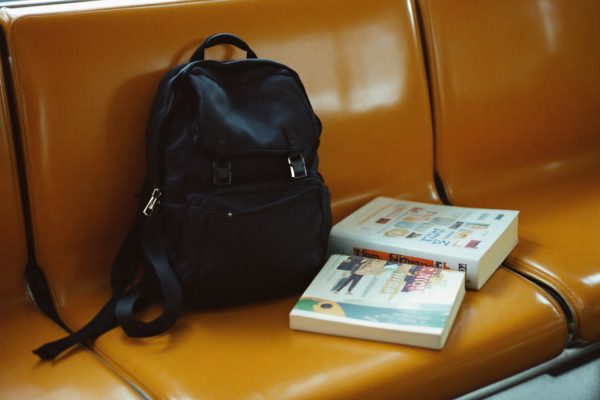
Field test results from four daypacks used heavily over three years. Which features held up, which ones failed, and the price-quality breakpoint that matters for travel rather than commuting.
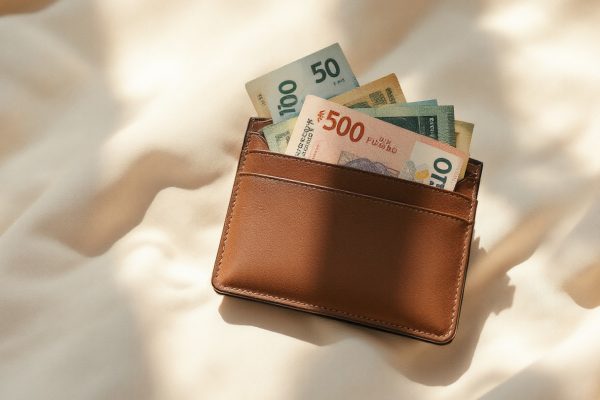
A spreadsheet's view of slow travel. The accommodation curve, the food curve, and the transit cost curve that together explain when staying longer in a place actually reduces your daily cost.
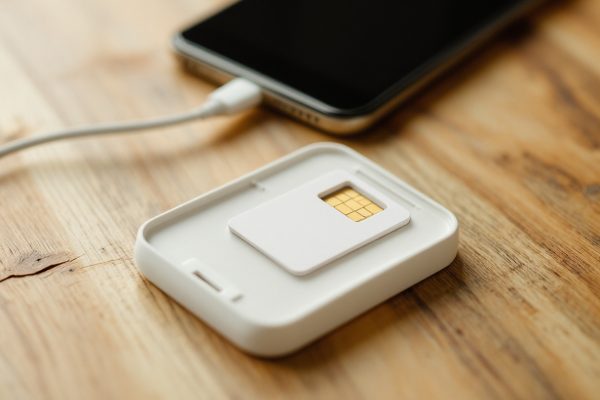
Travel electrical adapters and voltage: how to know what your devices accept, which adapters work where, the voltage converter question, and the kit that handles 95 percent of trips.
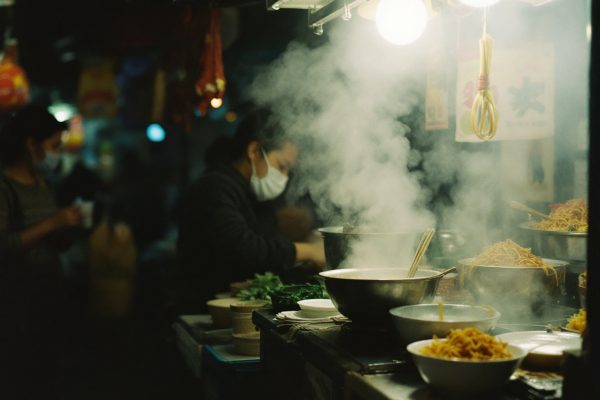
How to eat well on a budget in Tokyo, Zurich, Oslo, and other expensive cities: the food categories that stay affordable, market shopping, and the meal types worth paying for.
Sleep on solo trips: the cumulative cost of poor sleep, the gear that helps, jet lag protocols, and the conditions that produce reliable rest across hostels, hotels, and rentals.
Backcountry navigation skills beyond GPS: paper maps, compass use, terrain reading, contour interpretation, and when GPS fails you need these as primary skills.
Trip planning with accessibility needs: hotels, transit, attractions, the documentation that helps, and the destinations that are easier vs harder for travelers with disabilities.
Why long-term solo travelers often start meditation practices on the road: the conditions that make meditation easier in travel, what works for beginners, and how it affects the trip.
Travel headphone options compared for long flights, hostels, and trains: noise-cancelling over-ears vs in-ear active vs wired backup, with battery life and sound isolation tradeoffs.